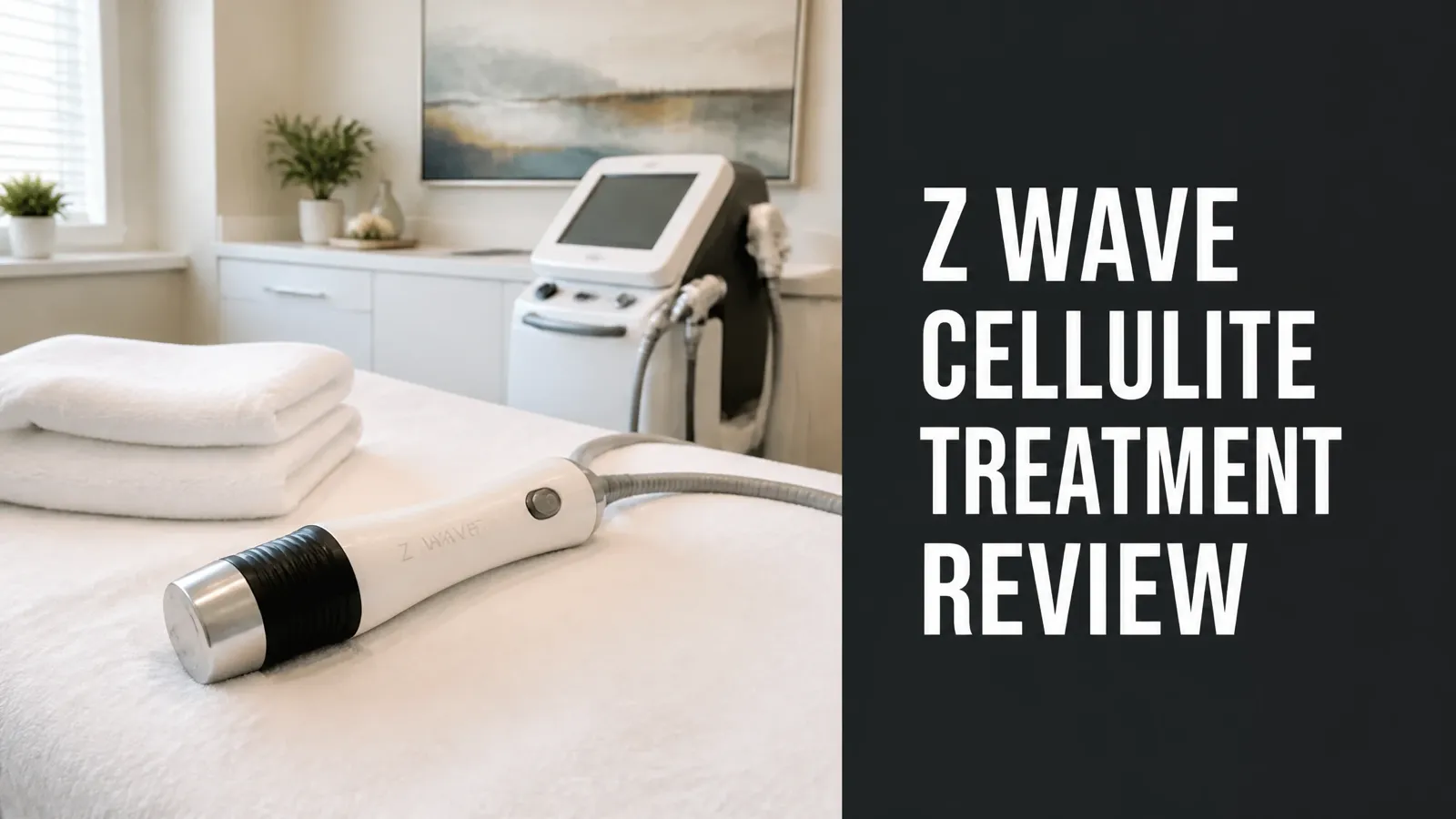
Z-Wave cellulite treatment is an FDA-cleared, non-surgical procedure that uses acoustic radial shockwaves to smooth dimpled skin on the thighs, buttocks, hips and abdomen. Med spas and dermatology clinics across the country now offer it as a needle-free alternative to injectable and surgical options.
So, does the science hold up? The device delivers rapid shockwave pulses that soften the connective bands under the skin, boost circulation and stimulate collagen. Most patients need 6 to 10 sessions to see full results, and reviewers report a 4.8-star average with 95% satisfaction. Redness is the main side effect, and it clears within hours. Pricing depends on the treatment area, not a flat rate.
Z-Wave trades a longer commitment for zero downtime, which changes who it actually makes sense for. This review breaks down how the treatment works, what real patients say, how it stacks up against Qwo and Cellfina, and whether the multi-session price tag is worth it for your goals.
What Is Z-Wave Cellulite Treatment?
Z-Wave cellulite treatment is an FDA-cleared, non-surgical procedure that uses acoustic radial shockwaves to smooth the appearance of cellulite. A handheld device, developed by Zimmer Aesthetics, glides across the thighs, buttocks, hips, abdomen or upper arms and drives pulses of sound energy into the skin.
Here's the interesting part: the device wasn't originally built for cellulite at all. Sports medicine teams first used the same radial shockwave technology for plantar fasciitis and soft tissue injuries. Aesthetic clinics only adopted it once patients noticed smoother, firmer skin after treatment sessions.
How Does Z-Wave Differ From Other Cellulite Treatments?
Injectable treatments like Qwo dissolve the connective bands under the skin with an enzyme. Z-Wave takes a mechanical route instead. The wand's acoustic pulses soften those same bands and stimulate circulation, so there is no needle and no injection site to manage.
Laser-based options such as Cellfina cut the tissue directly, which brings downtime and a recovery window. Z-Wave sessions involve no cutting, no anesthesia and no recovery period. Patients walk out and resume normal activity the same day.
How Does Z-Wave Work?
The Z-Wave device delivers rapid pulses of radial shockwave energy that spread outward through the treated tissue. This mechanical vibration softens fibrous septae, the connective bands that pull the skin down and create the dimpled look of cellulite.
That same pulse action increases metabolic activity in the treatment area. Blood circulation rises. Lymphatic drainage speeds up. And waste and excess fluid clear the tissue faster than they would on their own.
Here's what that actually means: collagen production ramps up in response to the mechanical stimulation, and firmer, more elastic skin builds over the following weeks. So why do results keep improving after the sessions end? The skin is still rebuilding.
What Happens During a Z-Wave Session?
A technician applies a conductive gel to the treatment area first. The gel lets the wand glide smoothly and transmits the acoustic pulses evenly into the skin. Most sessions run 10 to 30 minutes, depending on the size of the area.
The provider moves the wand in overlapping passes across the dimpled skin. Patients describe the sensation as a firm, rhythmic tapping, similar to a deep tissue massage. Does it hurt? Most patients say no, and no numbing cream or anesthesia is needed for the procedure.
What Are the Benefits of Z-Wave Cellulite Treatment?
Z-Wave's main benefit is a visibly smoother, tighter treatment area after a full course of sessions. Patients also gain a non-invasive option that pairs well with fat-reduction procedures like CoolSculpting.
Reported Benefits:
- Smoother skin texture across dimpled areas
- Firmer, tighter-feeling skin from added collagen
- Improved circulation and lymphatic drainage
- No downtime between sessions or after the last one
- A documented boost to fat-reduction results when combined with CoolSculpting
Does Z-Wave Actually Reduce Cellulite?
Yes. Clinical studies on radial shockwave therapy show measurable improvement in skin texture and cellulite grade after a full treatment series. Researchers Kunzi-Rapp, Fritz and Steinert documented these effects in Cosmetic Medicine, tying the softened septae directly to smoother surface skin.
To be clear, improvement builds gradually rather than appearing after one visit. Most providers see early texture changes after 2 to 3 sessions, with the fuller effect visible once a patient completes the recommended 6 to 10 session series.
Does Z-Wave Improve Skin Texture and Tightness?
Collagen synthesis drives the tightening effect. The skin's fibrous network rebuilds itself with a more uniform structure after repeated mechanical stimulation. This creates a firmer surface, not just a temporary swelling-driven smoothness.
And here's the part most people miss: a published case study from the Arbutus Laser Centre tracked patients who added Z-Wave after CoolSculpting. Those patients reported tighter-feeling skin on top of their fat-reduction results, credited to the added circulation and collagen response.
What Do Z-Wave Reviews Say?
Patient review platforms show consistently high satisfaction scores for Z-Wave, with most complaints centered on the number of sessions needed rather than the treatment itself. RealPatientRatings lists Z-Wave at a 4.8 average with 95% satisfaction among reviewers.
Positive Patient Experiences
Patients frequently compare the sensation to a relaxing massage rather than a medical procedure. Many describe the lack of downtime as the deciding factor over more invasive cellulite options. Clinics also note high repeat-booking rates for maintenance sessions.
What Patients Like:
- Comfortable, massage-like sensation during treatment
- No downtime or recovery needed
- Visible skin tightening on top of cellulite improvement
- Quick 10 to 30 minute sessions that fit a lunch break
Common Complaints
The most common complaint centers on commitment. A full course requires 6 to 10 sessions. Patients who expect a one-visit fix are often surprised by that. Do results fade over time? Some reviewers say yes, without periodic maintenance visits.
A smaller group of reviewers report mild, short-lived redness immediately following a session. The good news? This clears within hours in nearly every documented case and rarely factors into overall satisfaction scores.
Z-Wave vs Other Cellulite Treatments
Z-Wave, Qwo and Cellfina each target cellulite through a different mechanism, which changes the downtime, cost pattern and commitment each one demands. The table below lines up the three most common non-surgical options side by side.
Treatment Comparison:
| Treatment | Method | Downtime | Sessions Needed |
|---|---|---|---|
| Z-Wave | Acoustic radial shockwave | None | 6-10, plus maintenance |
| Qwo | Injectable enzyme (collagenase) | Bruising, 1-2 weeks | 3 injection sessions |
| Cellfina | Subcision (tissue-cutting device) | Bruising, up to 2 weeks | 1 session |
So which one wins? It depends on what you're optimizing for. Z-Wave asks for more visits but skips the bruising and downtime that come with Qwo and Cellfina. Patients who cannot take time away from work or activity tend to favor Z-Wave for exactly that reason.
What Are the Side Effects of Z-Wave?
No. Z-Wave does not carry the same risk profile as injectable or surgical cellulite treatments. The most commonly reported side effect is temporary redness and warmth in the treated skin, which typically resolves within a few hours.
Reported Side Effects:
- Mild skin redness immediately after treatment
- Slight warmth in the treated area
- Occasional light bruising in sensitive patients
- No documented long-term or serious complications
Here's the bottom line: these effects clear on their own without medication or special aftercare. No bandaging, numbing cream or recovery protocol follows a session.
Who Should Avoid Z-Wave Treatment?
Providers generally recommend patients reach a stable, healthy weight before starting Z-Wave. The treatment addresses skin texture and connective tissue, not excess fat, so results are strongest on patients who are not actively losing or gaining significant weight.
Patients with active skin infections, open wounds or very recent procedures in the treatment area should wait until the skin fully heals. Pregnant patients and those with certain circulatory conditions should also clear the treatment with a provider first.
Is Z-Wave FDA Approved and Legit?
Yes. Z-Wave holds FDA clearance for aesthetic use, and the underlying radial shockwave technology has decades of clinical use in sports medicine and post-surgical recovery before its aesthetic application.
In fact, Zimmer Aesthetics, the manufacturer, publishes clinical white papers and case studies backing the treatment's effect on cellulite and skin tone. That published research record separates Z-Wave from unregulated at-home cellulite gadgets sold without clinical backing.
How Much Does Z-Wave Cellulite Treatment Cost?
Z-Wave pricing varies by provider, treatment area size and the total number of sessions in a patient's plan. Clinics typically quote per-session pricing during a consultation rather than posting a flat rate, since a small area needs fewer passes than a larger one.
And it gets better: package pricing across a full 6 to 10 session series usually runs lower per visit than paying session by session. Clinics that also offer CoolSculpting often bundle Z-Wave add-on sessions at a discount for patients combining both treatments.
Is Z-Wave Worth the Price?
For patients who want a non-invasive option with zero downtime, Z-Wave holds up well against pricier surgical alternatives. The absence of recovery time means no missed work and no hidden cost from time away from normal life.
Patients chasing a single-visit fix may find the multi-session commitment less appealing. Those willing to complete the full series consistently report the smoother, firmer result that makes the price worthwhile.
Where Can You Get Z-Wave Treatment?
Z-Wave is available through licensed med spas, dermatology practices and plastic surgery clinics that carry the Zimmer Z Wave Pro device. Not every med spa stocks the equipment, so confirming the specific device model during booking matters.
A consultation with a licensed provider comes first at every legitimate clinic. That visit confirms candidacy, maps out the treatment areas and builds a session schedule suited to the patient's skin and goals.
Why Should You Try Optimal Weight Plan?
You don't have to figure out cellulite treatments alone. Our coaches at Optimal Weight Plan help you build a full body composition plan, one that pairs smart nutrition and movement with the aesthetic treatments that actually fit your goals.
Cellulite responds best when skin health and body composition move together. That's the gap most treatment-only approaches miss. Our team walks you through what to expect, what questions to ask a provider and how to keep results once you've got them.
Ready to build a plan that covers more than one visit to the med spa? Book a free call with our coaches and get a strategy built around your actual body, not a generic checklist.