
Real Coaches.
Real Results.
Optimal Weight Plan.
We're not here to sell you magic beans. Optimal Weight Plan is about real people, real expertise, and a genuine commitment to helping you reach your goals for the long haul.

An expert OPTAVIA coaching network
Optimal Weight Plan is a network of Independent Certified OPTAVIA Coaches, personal trainers, nutritionists, and health coaches spread across the United States.
Our coaches specialize in the OPTAVIA 5&1 and 4&2&1 plans helping busy adults, parents, and professionals lose weight without giving up their lifestyle. Whether you're 20 lbs from your goal or 200, we've guided clients through every stage.
We don't just hand you a meal plan. Each coach builds an ongoing relationship weekly check-ins, fueling hacks, dining-out strategies, and accountability that keeps you on track when motivation fades.
Meet the Team →What Is the Optimal Weight Plan?
The term optimal weight plan has three main meanings. OptimalWeightPlan.com is a website representing a group of independent weight loss coaches who support clients using OPTAVIA wellness programs. The OPTAVIA Optimal Weight Program is a structured commercial weight-loss program. In general health contexts, an optimal weight plan is a personalized approach that combines balanced nutrition, physical activity, behavior change, and long-term weight maintenance.
The goal of OptimalWeightPlan.com is to connect people with independent coaches who provide education, accountability, and support through OPTAVIA programs. The goal of the OPTAVIA Optimal Weight Program is to promote weight loss and healthy habit formation using structured nutrition and coaching. In general health, an optimal weight plan aims to help individuals achieve and maintain a healthy weight through balanced nutrition, regular physical activity, and sustainable lifestyle habits.

What Does the Optimal Weight Plan Mean?
An optimal weight plan means a personalized strategy for achieving and maintaining a healthy weight. The best plan varies from person to person because factors such as age, metabolism, health conditions, activity level, lifestyle, and weight-loss goals influence the approach. An optimal weight plan focuses on sustainable habits rather than a single diet, food list, or fixed timeline.
The meaning of an optimal weight plan varies by individual because nutritional needs, health conditions, and weight goals differ. An optimal weight plan for men may emphasize preserving muscle mass, while a plan for women may account for hormonal and life-stage changes. For people with diabetes, an optimal weight plan focuses on supporting healthy blood glucose levels alongside weight management. For nursing mothers, the priority is meeting nutritional needs that support breastfeeding while allowing gradual postpartum weight loss. For teens, an optimal weight plan promotes healthy growth, balanced nutrition, regular physical activity, and long-term healthy habits instead of rapid weight loss.
The meaning of an optimal weight plan depends on an individual's lifestyle and circumstances. A budget-friendly optimal weight plan focuses on affordable, nutrient-dense foods that support healthy weight management. An optimal weight plan while eating out emphasizes portion control, balanced meals, and mindful eating to maintain weight goals. An optimal weight plan while working out prioritizes adequate protein, hydration, and calorie intake to support exercise performance, recovery, healthy body composition, and sustainable nutrition habits.
Read more about the program →How It Works

01
Book a Free Call
Start with a no-pressure conversation. Your coach takes time to understand your current health, weight history, daily routine, and what's worked or hasn't before. No pitch, no hard sell. Just a real talk about where you are and where you want to be.
02
Get Your Personal Plan
Based on your goals and lifestyle, your coach builds a personalized OPTAVIA plan whether that's the 5&1, 4&2&1, or a hybrid approach. You'll know exactly what to eat, when to eat, and how to handle dining out, travel, and the moments that usually derail progress.
03
Reach Your Goal
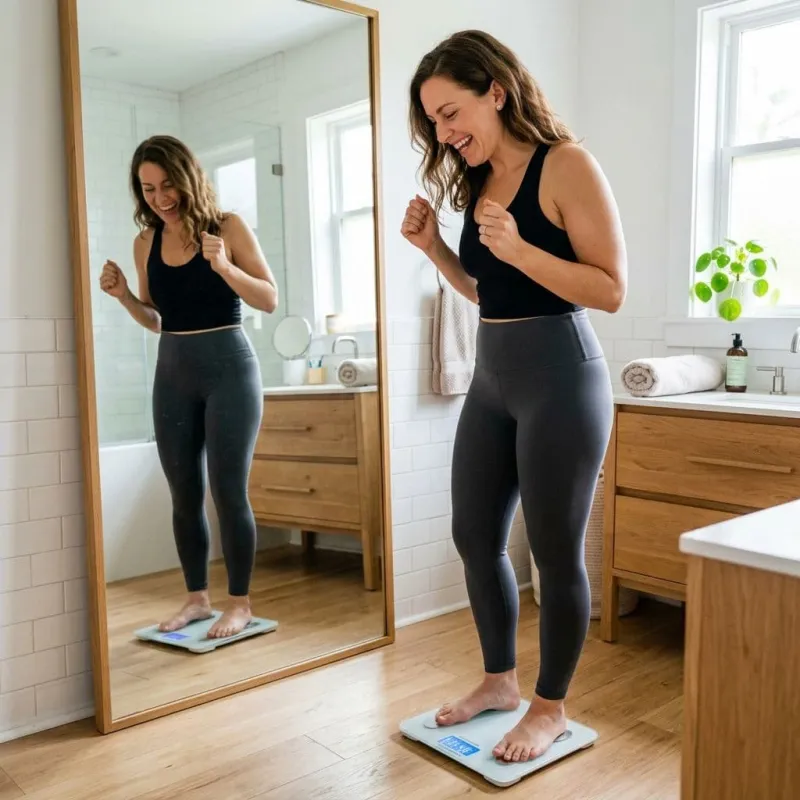
Weekly check-ins, fueling hacks, and ongoing accountability keep you on track long after motivation fades. Your coach adjusts the plan as your body changes and your goals evolve because real results don't stop at the scale.




What Is the Average Weight Loss on the Optimal Weight Plan?
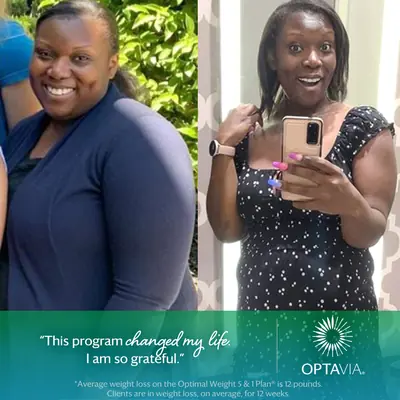
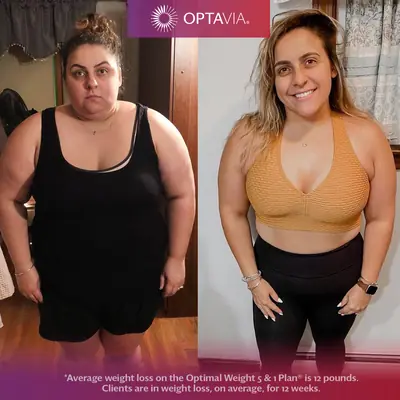
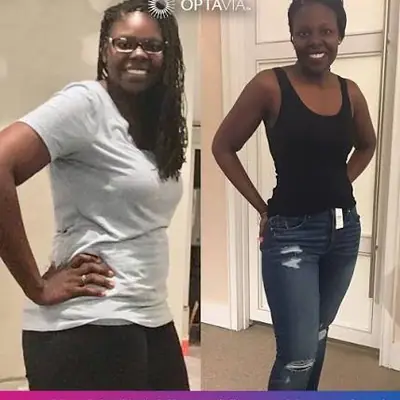
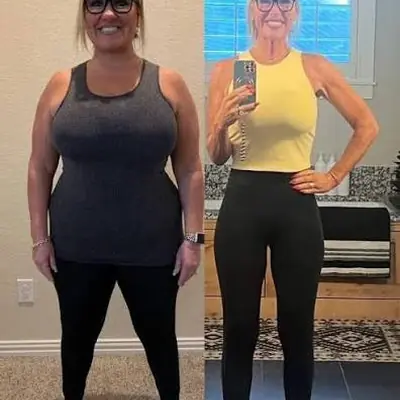
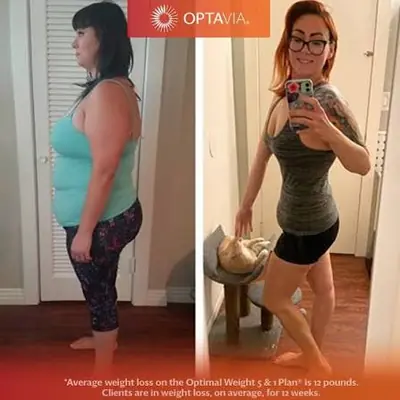
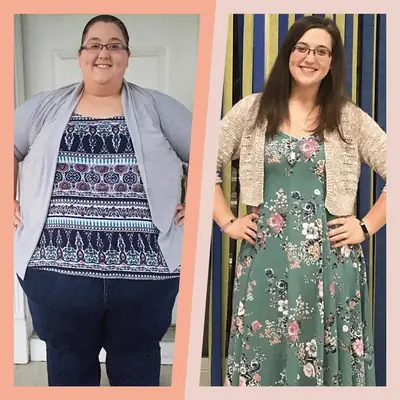
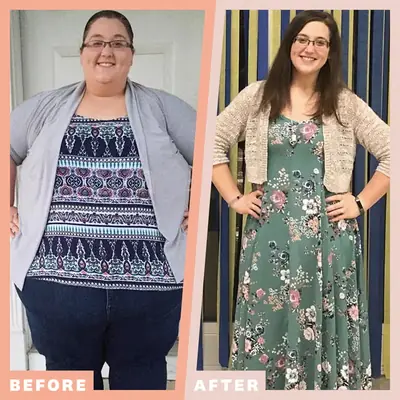
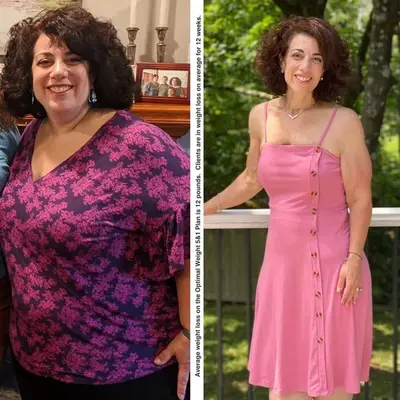
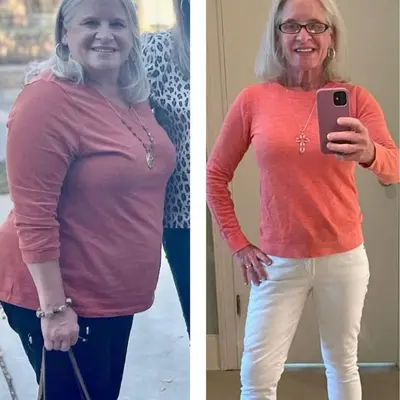
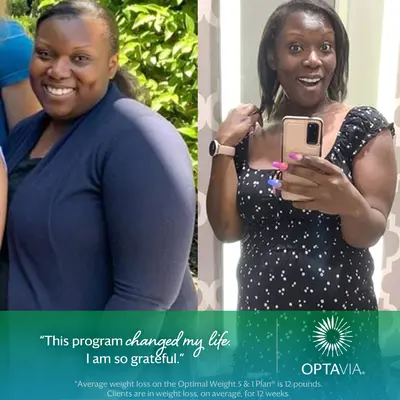
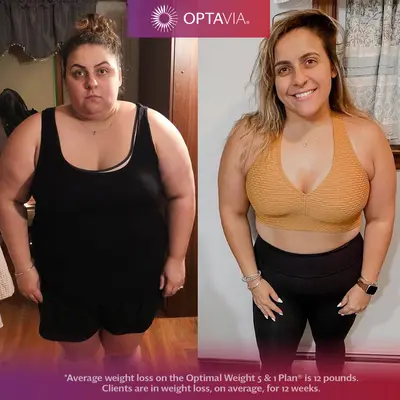
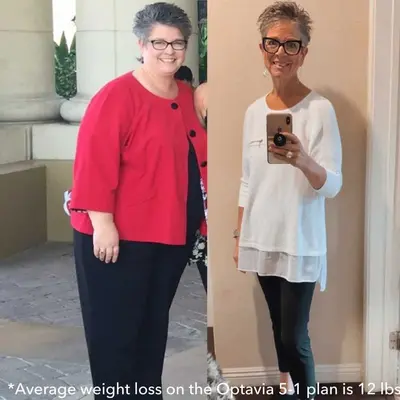
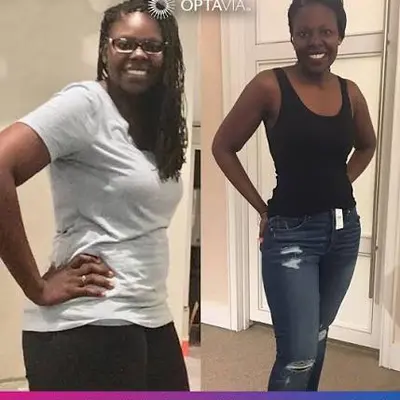
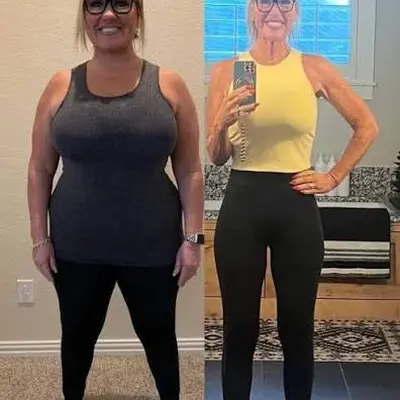
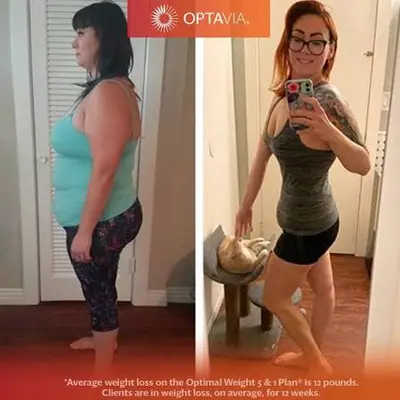
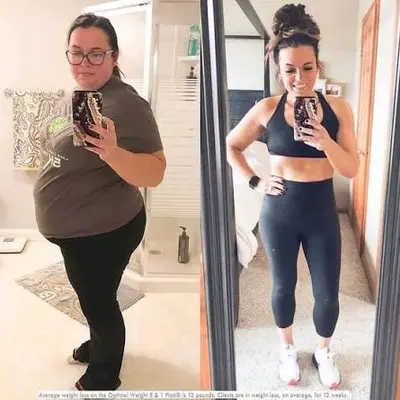
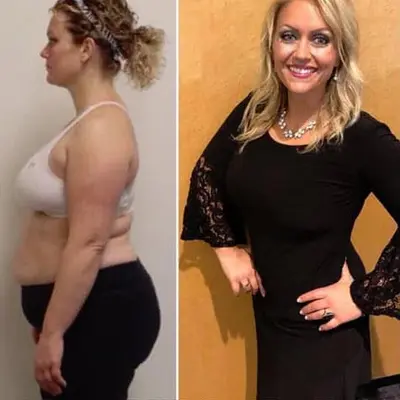
Average weight loss on an optimal weight plan depends on the specific program, starting weight, calorie intake, physical activity, adherence, and individual health factors. For people following the OPTAVIA Optimal Weight Program, the company states that participants lose about 12 pounds (5.4 kg) over 12 weeks on average when following the program. Individual results vary, and long-term success depends on maintaining healthy eating and lifestyle habits.
Achieve average weight loss on an optimal weight plan by following a personalized nutrition strategy, maintaining a consistent calorie deficit, exercising regularly, and building sustainable habits. Long-term weight management depends on eating balanced meals, staying physically active, monitoring progress, getting adequate sleep, managing stress, and adjusting the plan as health needs and goals change. Consistency produces better long-term results than short-term restrictive dieting.
"Average weight loss on the Optimal Weight 5 & 1 Plan® is 12 pounds, with clients being in weight loss for an average of 12 weeks."
— OPTAVIA
Davis et al., Nutrition Journal, 2010
90 obese adults over 16 weeks. Average weight loss on the Medifast plan reached 12.3% of body weight, nearly double the 6.9% recorded in the food-based group. At 40 weeks, 62% of Medifast participants maintained at least 5% weight loss.
% Body Weight Lost at 16 Weeks
62%
maintained loss
at 40 weeks
30%
food-based group
at 40 weeks
Arterburn et al., Obesity Science and Practice, 2018
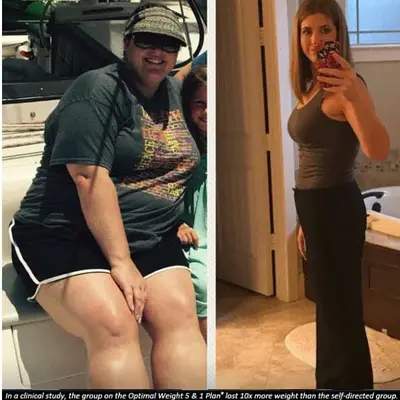
198 adults with overweight or obesity over 16 weeks. Average weight reduction on the OPTAVIA 5&1 plan was 5.7% and on Medifast 4&2&1 was 5.0%, both significantly greater than the self-directed group. Coaching call completion correlated directly with greater weight reduction.
% Body Weight Lost at 16 Weeks
198
participants
in the trial
92%
completion
rate
Ard et al., Obesity (OPTIWIN Study), 2018
273 adults with obesity over 52 weeks. Average weight loss on the total meal replacement program reached 12.4% at 26 weeks and 10.5% at 52 weeks, compared with 6.0% and 5.5% for the food-based group. Meal replacement produced sustained weight reduction at one year.
% Body Weight Lost
12.4%
avg weight loss
at 26 weeks
52 wks
results sustained
at one year
What Do You Eat on the Optimal Weight Plan?
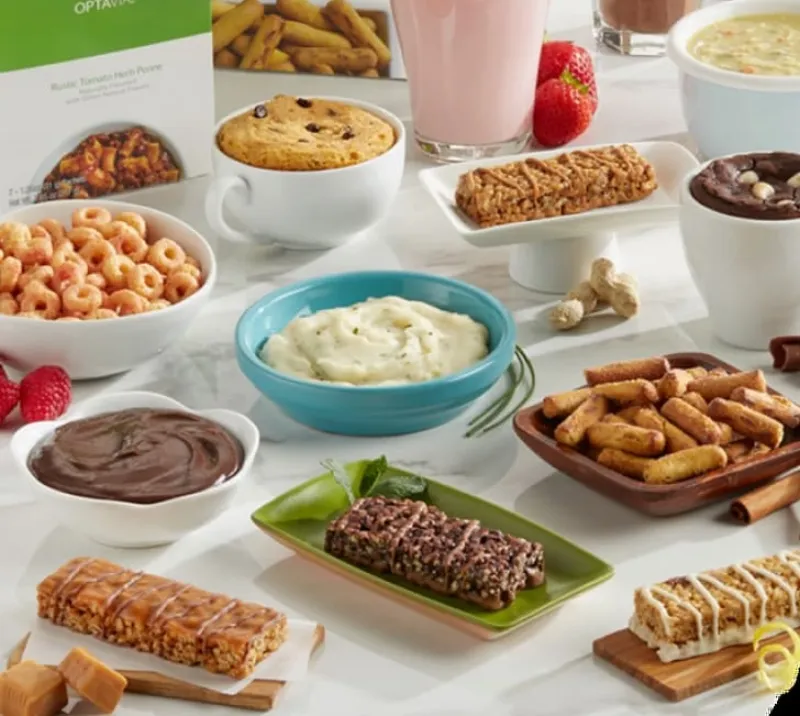
What you eat on an optimal weight plan depends on your goals, health needs, and the approach you follow. The foods to eat on optimal weight plan are lean proteins, vegetables, fruits, whole grains, healthy fats, and adequate hydration while limiting highly processed foods, added sugars, and excess saturated fat. If you follow the OPTAVIA Optimal Weight Program, meals typically include OPTAVIA Fuelings combined with one balanced Lean & Green meal that contains lean protein, non-starchy vegetables, and healthy fats.
Who Are the Optimal Weight Plan Coaches?
The term optimal weight plan coaches can refer to coaches associated with OptimalWeightPlan.com or to OPTAVIA Coaches. At OptimalWeightPlan.com, coaches are independent health and wellness coaches who educate, motivate, and support clients throughout their weight-loss and healthy lifestyle journey using the OPTAVIA program. They provide accountability, guidance, and encouragement, helping clients build sustainable habits while working toward their health and weight management goals.
Meet Your Coaches
Tamera Conwell
OPTAVIA Coach #120004385666
Full-time special education teacher and certified OPTAVIA health coach with 3+ years of experience. Dedicated to promoting healthy habits, inspiring hope, and empowering others to live their best lives.
Karen Savage
OPTAVIA Coach #120002233246
Karen lost 50 pounds as an OPTAVIA client in 2021 before becoming a coach. With 3.5 years of experience, she combines the OPTAVIA program with sustainable methods because she's been exactly where you are.
Optimal Weight Plan Reviews
Our clients don't just lose weight they reclaim their lives.
Lost 55 lbs in 8 months
"I was on Optimal Weight Plan for about 8 months and lost about 55 pounds. The coaches kept me accountable every step of the way."
— Sarah M.
Lost 100 lbs
"I lost 100 pounds in 8 months and kept it off through a really difficult time in my life. This program changed everything for me."
— Adam R.
Lost 10 lbs + more energy
"I've lost 10 pounds, boosted my energy, and I'm finally breaking my bad eating habits. I wish I'd started sooner."
— Kate L.
Lost 200+ lbs
"Over 200 pounds gone along with the blood pressure issues and the diabetes risk my doctor warned me about. Life-changing."
— James T.
Optimal Weight Plan FAQ
What do the optimal weight plan fuelings look like?
OPTAVIA Fuelings provide 800 to 1,000 calories per day with 80 to 120 grams of protein. Products include shakes, bars, soups, and puddings. Across 9 clinical trials, Medifast meal plans reduced fat mass while preserving lean mass in all reporting studies. Source: Miller et al., Obesity Pillars, 2026.
How long does the optimal weight plan take to work?
Participants losing 2% or more of body weight by week four had significantly greater odds of reaching 5% or more loss by week sixteen. OPTAVIA 5&1 produced meaningful body weight reduction at 16 weeks in a randomized controlled trial of 198 adults. Source: Arterburn et al., Obesity Science and Practice, 2018.
How does the optimal weight plan compare to other weight loss plans?
OPTAVIA 5&1 and Medifast both outperformed a self-directed reduced-calorie diet for weight loss and body composition at 16 weeks. Meal replacement adherence and coaching call completion correlated directly with greater results. Source: Arterburn et al., Obesity Science and Practice, 2018.
How much does the optimal weight plan cost?
OPTAVIA Fuelings are purchased through a certified coach. Pricing varies by plan type and fueling quantity. For current pricing, contact an Optimal Weight Plan coach directly.
How do I calculate my target weight?
Target weight is estimated by setting a goal BMI between 18.5 and 24.9 and using a height-based formula. Individual health conditions, age, and body composition modify the appropriate target for each person. Source: Peterson et al., American Journal of Clinical Nutrition, 2016.
What factors affect ideal body weight?
Age, sex, height, muscle mass, metabolic rate, bone density, ethnicity, and health conditions all influence ideal body weight. A normal BMI can mask metabolic risk in some individuals. Personalized targets account for these factors rather than applying a single formula. Source: Golubnitschaja et al., EPMA Journal, 2021.
Is BMI the best way to determine healthy weight?
BMI does not distinguish muscle from fat and misclassifies athletes and older adults. Waist circumference, body fat percentage, and metabolic markers provide additional clinical information. BMI is a useful screening tool but should not serve as the sole indicator of health status. Source: Wu et al., International Journal of Environmental Research and Public Health, 2024.
What is the best diet for sustainable weight loss?
No single diet outperforms others long-term when caloric intake is controlled. Adherence to a dietary pattern predicts outcomes more reliably than macronutrient composition. Structured meal replacement programs with coaching produced greater sustained weight loss at 52 weeks compared to food-based diets. Source: Ard et al., Obesity, 2018.
What are the healthiest ways to lose weight?
A consistent calorie deficit combined with adequate protein, regular physical activity, and behavioral support produces durable outcomes. Structured programs with coaching outperform self-directed dieting. Meal replacement usage and coaching call completion correlate directly with greater weight loss. Source: Arterburn et al., Obesity Science and Practice, 2018.
How do I create a personalized weight loss plan?
An effective plan tiers calorie and protein intake to individual starting weight, age, and health status. Coaching support and early adherence predict clinically meaningful outcomes at 16 weeks. Structured plans have shown results across diverse populations including older adults and those with health conditions. Source: Miller et al., Obesity Pillars, 2026.
What foods help with healthy weight management?
Vegetables, fruits, legumes, whole grains, nuts, and lean proteins are consistently associated with sustained weight loss. Reducing energy density across meals rather than eliminating food groups is the most supported dietary strategy. High-protein meals increase calorie burn after eating and reduce subsequent food intake. Source: Mohr et al., Nutrients, 2020.
Ready to start your journey?
Book a free call with one of our coaches. No pressure, no commitment just a real conversation about your goals.
Book a Free Call →