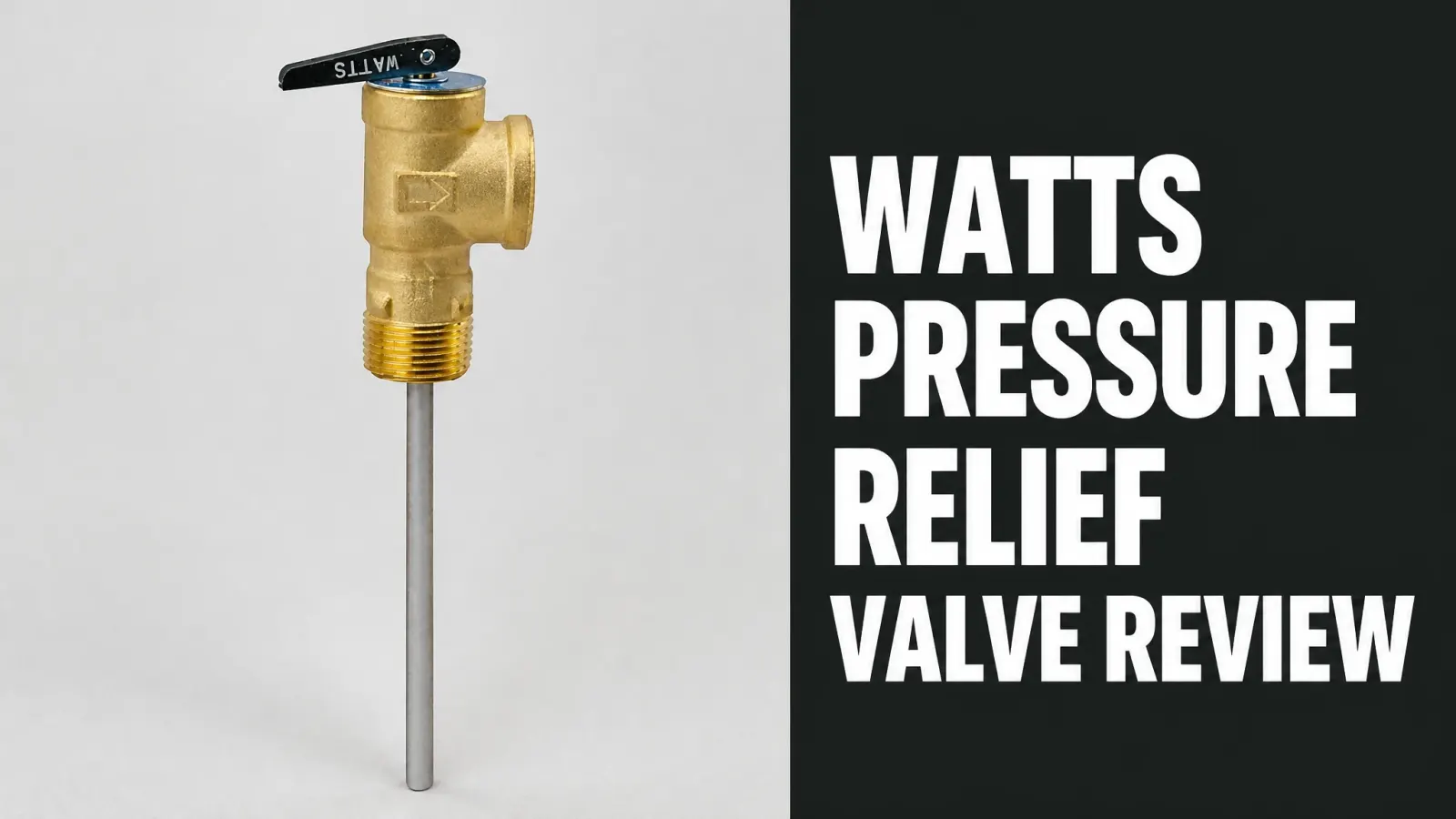
The Watts pressure relief valve is a brass safety valve that protects water heaters and boilers from dangerous pressure. Homeowners swap it when it drips or fails a test. But is a Watts valve worth buying?
Reviews lean positive. Buyers call it an easy, direct fit replacement. A few report leaks after 1 to 2 years. One buyer saved over $300 by doing the swap in 10 minutes.
This review covers how it works, specs, user feedback, safety, price, and where to buy.
What Is a Watts Pressure Relief Valve?
A Watts pressure relief valve is a brass safety valve that opens to release water when pressure or temperature climbs too high. Watts sells many models. The best-known one for homes is the 3/4 inch temperature and pressure (T&P) valve that sits on a water heater.
The valve is a safety part, not an upgrade. It does one job and does it only in an emergency. Most homeowners never think about it until it drips or fails a test.
Which Watts Models Do Shoppers Look For?
Shoppers mostly search for the 3/4 inch T&P valve for water heaters. Retailers also list Watts bronze boiler relief valves, the cast-iron 374A safety relief valve, and the LFN45BM1-U pressure regulator. Always match the model to the appliance label.
How Does a Watts Pressure Relief Valve Work?
The valve stays closed until pressure or temperature passes its set limit, then opens and vents water through a discharge pipe. A spring holds the seat shut. When the force from the water beats the spring, the valve lifts.
Why does this matter? A sealed tank keeps heating water. Without a relief point, pressure keeps rising. The valve gives that pressure a safe exit.
Why Does the Valve Drip So Often?
Dripping often comes from thermal expansion. Heated water expands, and in a closed plumbing system it has nowhere to go. Watts notes that its pressure reducing valves include a bypass check that sends expanded water back to the supply main. That feature protects the T&P valve from frequent dripping.
What Are the Specs and Materials?
The common Watts 3/4 inch T&P valve uses a lead-free brass body rated for 150 PSI and 210°F. One manufacturer review site also lists ASME and CSA certification and a 5 year warranty. Check the box for the exact numbers on your model.
Typical Watts 3/4 Inch T&P Specs:
| Spec | Listed Value |
|---|---|
| Connection size | 3/4 inch NPT |
| Pressure rating | 150 PSI |
| Temperature rating | 210°F (99°C) |
| Material | Lead-free brass |
| Certifications | ASME, CSA |
| Best for | Residential gas and electric water heaters, 30 to 100 gallons |
Do not install a valve with a lower rating than your tank. Using the wrong pressure rating defeats the safety purpose.
Does a Watts Pressure Relief Valve Actually Work?
Yes. A Watts relief valve does its job when installed correctly and sized for the appliance. One Home Depot buyer paid $25, replaced a leaking valve in 10 minutes, and said it worked perfectly.
That same buyer said a plumber quote ran above $300. The part is cheap, and the labor is the expensive piece. So the DIY savings are real for confident homeowners.
How Do You Test the Valve?
Lift the lever briefly and let water flow into the discharge pipe. The lever should move smoothly and water should stop when released. If it sticks or keeps dripping, replace the valve. Turn off power or gas first and keep clear of hot water.
What Do Watts Pressure Relief Valve Reviews Say?
Reviews are mostly positive on fit and ease of install, with a minority reporting leaks and noise. Lowe's reviewers of the Watts LFN45BM1-U call it easy to install and a direct fit replacement.
What Do Happy Buyers Say?
Buyers praise the quick swap, the solid brass feel, and the low price against a plumber visit. A smooth lever and a tight seal come up often.
What Are the Common Complaints?
Some Lowe's reviewers report loud noises and leaks after 1 to 2 years. Others mention quality control problems such as missing parts or improper fit. Check the box contents before you shut off the water.
Review Summary:
- Easy, direct fit replacement
- Low price against a plumber bill
- Some leaks after 1 to 2 years
- Occasional loud noise
- Rare missing parts or fit problems
How Does Watts Compare to Rheem, Camco, and Others?
Watts ranks at the top in one manufacturer comparison, ahead of Rheem, Camco, Reliance, and Cash Acme. Treat that ranking with care. The source sells valves, so its scores are not independent testing.
Watts vs Alternatives (per one comparison site):
| Brand | Price Range | Best For |
|---|---|---|
| Watts 3/4 inch T&P | $18 to $28 | Most homeowners |
| Rheem SP12575 | $22 to $35 | Rheem tanks |
| Camco 10473 | $12 to $18 | Tight budgets |
| Reliance 9003028-045 | $18 to $28 | High BTU gas heaters |
| Cash Acme 3/4 inch | $25 to $40 | Commercial use |
All five list 150 PSI and 210°F ratings. The real difference is build feel, warranty, and price.
Is a Watts Pressure Relief Valve Safe?
Yes. The valve is a safety device, and a working one lowers the risk of tank rupture. The risk comes from a failed, blocked, or wrongly sized valve, not from the Watts design itself.
Who Should Not DIY the Install?
Skip the DIY route if you are unsure about shutting off gas or power, draining the tank, or soldering. Local code may also require a licensed plumber. Hire a pro when in doubt. Never cap or plug the discharge pipe.
How Much Does a Watts Pressure Relief Valve Cost?
A Watts 3/4 inch T&P valve typically costs about $18 to $28. One buyer paid $25. Bronze boiler and larger models cost more, so check the exact part number.
Is It Worth the Price?
Yes, for most owners. The part costs far less than water damage or a tank failure. Budget valves save a few dollars but can mean a shorter warranty.
Where Can You Buy It?
Buy it at Home Depot, Lowe's, plumbing supply stores, or Grainger. eBay also lists new and used units. Buy new, from a seller you trust.
Why Should You Try Optimal Weight Plan?
A valve protects your water heater. But here's the thing: nothing in your house protects your health while you ignore it. Daily habits do that work.
Our coaches at Optimal Weight Plan build realistic nutrition and movement plans that fit your life. Small steady changes beat crash diets every time.
Ready to put the same care into your body? Book a free call with our coaches and start today.