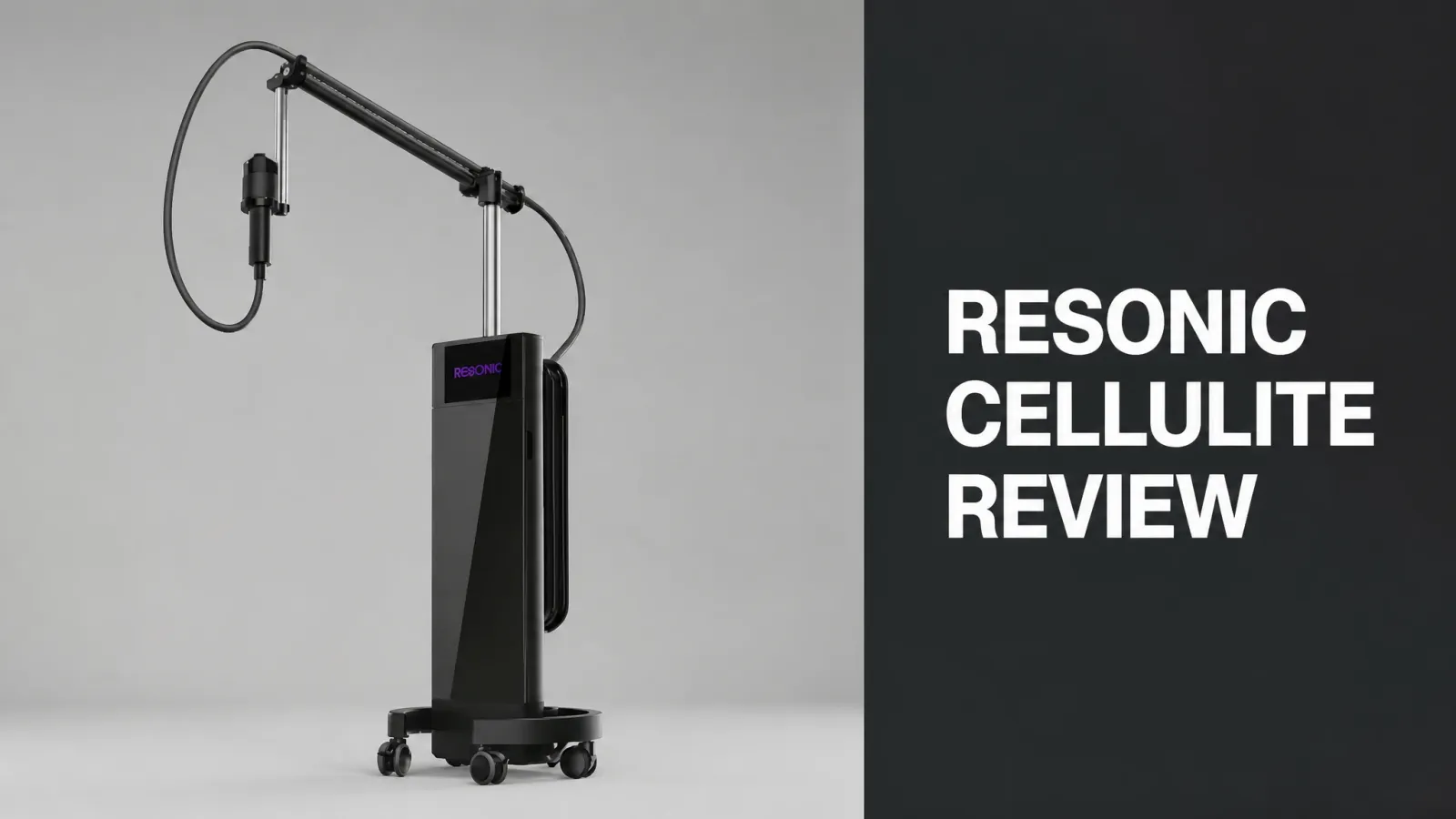
Resonic is an FDA-cleared device that uses sound waves to reduce the appearance of cellulite in a single session. Dermatologists and plastic surgeons across the US now offer the treatment to patients over 22.
The device breaks apart fibrous bands under the skin using Rapid Acoustic Pulse technology, delivering results without needles or downtime. Clinical trials tracked a 93 percent satisfaction rate at 12 weeks, holding steady through one year. Sessions run under an hour, with pricing between $2,500 and $5,800 depending on the provider.
Cellulite affects up to 90 percent of women, and treatments like Resonic offer a genuine, science-backed option beyond creams and massage. This review breaks down how it works, what it costs, and whether the results hold up.
What Is Resonic?
Resonic is an FDA-cleared device that treats the appearance of cellulite using sound waves instead of needles or surgery. The device is placed directly on the skin and delivers rapid acoustic pulses that target the fibrous bands beneath the surface.
The treatment targets the buttocks, outer thighs, inner thighs, and lower thighs. A single session lasts under one hour. No anesthesia, incisions, or injections are part of the process.
Resonic is made by Soliton, a company later acquired by AbbVie's Allergan Aesthetics division. Clinics and med spas across the US now offer the device to patients over the age of 22.
What Does Resonic Treat?
Resonic targets moderate to severe cellulite on the buttocks and thighs. The device does not address loose skin or excess fat directly. It focuses only on the septae, the connective bands that pull skin down and create dimpling.
Clinical data supports improvement lasting up to one year after a single treatment. Providers often recommend Resonic for patients who have already tried creams, massage, or compression garments without lasting results.
Who Makes Resonic?
Soliton developed the Rapid Acoustic Pulse technology behind Resonic. AbbVie's Allergan Aesthetics later acquired the device and now distributes it through licensed dermatologists and plastic surgeons nationwide.
Allergan Aesthetics also markets Qwo, a competing injectable cellulite treatment. This means the company offers patients two very different approaches under one roof: an injectable option and a sound-wave device.
How Does Resonic Work?
Resonic breaks apart the fibrous septae bands under the skin using high-frequency sound waves. A provider glides the handheld device across the treatment area, and the pulses physically change the structure of the bands that cause dimpling.
This process is called acoustic subcision. Sound waves replace the microblades and needles that older cellulite treatments relied on to cut or dissolve the same bands.
The skin above the treated area is not cut or punctured. Only the fibrous bands beneath the surface are altered, which keeps the outer skin layer fully intact throughout the procedure.
What Is Rapid Acoustic Pulse Technology?
Rapid Acoustic Pulse technology sends sound waves through skin at up to 100 cycles per second. The device converts electrical energy into a mechanical pulse that travels through tissue without breaking the skin barrier.
Dermatologist Dr. Elizabeth Tanzi has described the device as one that 'checks all the right boxes' for effective, non-invasive cellulite treatment. Her comments reflect the growing clinical interest in acoustic-based body contouring.
How Long Does A Resonic Session Take?
A full Resonic session requires 45 to 60 minutes total. Each side of a treatment area takes 20 to 30 minutes, and most patients complete treatment on both thighs or both sides of the buttocks in one visit.
Patients typically need only one session per treatment area. Follow-up visits are optional and depend on how a patient's skin responds over the following months.
Is Resonic FDA Approved?
Yes. Resonic holds FDA clearance for the long-term improvement of cellulite appearance, backed by clinical data tracking results for up to one year after treatment. The clearance covers patients over the age of 22.
The FDA clearance process required Soliton to submit safety and efficacy data from controlled trials. Regulators reviewed patient outcomes at 12 weeks and again at 52 weeks before granting approval.
This clearance places Resonic in the same regulatory category as Qwo, Cellfina, and Cellulaze. All four devices carry FDA clearance specifically for cellulite appearance improvement, not general skin tightening.
What Areas Can Resonic Treat?
Providers apply Resonic to the buttocks, outer thighs, inner thighs, and lower thighs. These four zones account for the vast majority of visible cellulite in women, according to dermatologists who administer the treatment.
The device is not cleared for use on the abdomen, arms, or face. Patients seeking cellulite treatment outside the approved zones need a different device or procedure entirely.
What Are The Benefits Of Resonic?
Resonic delivers visible cellulite smoothing after a single session with no recovery time required. Patients walk out of the appointment and return to normal activity the same day, including work and light exercise.
Clinical trial data shows a 93 percent patient satisfaction rate at 12 weeks. That satisfaction held steady through the one-year mark for patients who completed the full follow-up survey.
The treatment requires no needles, incisions, or anesthesia. This distinguishes Resonic from Cellfina and Cellulaze, both of which penetrate the skin to reach the same fibrous bands.
Key Benefits:
- Single-session treatment under one hour
- No downtime or recovery period
- No needles, incisions, or anesthesia
- Results tracked up to one year in clinical trials
- FDA-cleared for patients over 22
Does Resonic Actually Reduce Cellulite?
Yes. Clinical trial data confirms measurable improvement in cellulite appearance at both the 12-week and 52-week marks. Researchers surveyed 56 patients at 12 weeks and 42 of those same patients again at one year.
Nearly all patients who reported improvement at 12 weeks still reported it at 52 weeks. This durability sets Resonic apart from topical creams, which typically lose effect within weeks of stopping use.
Does Resonic Require Downtime?
No downtime followed treatment in Resonic's clinical trial. Patients experienced minimal discomfort during the session and reported no restrictions on daily activity afterward.
Some patients notice mild redness or tenderness in the treated area for a day or two. This mild reaction resolves on its own and rarely interferes with normal routines.
What Do Resonic Reviews Say?
Patient reviews on platforms like RealSelf give Resonic an 86 percent 'Worth It' rating. Reviewers frequently mention smoother skin texture and reduced dimpling within weeks of treatment.
Providers echo this sentiment in their own clinical observations. Dermatologist Dr. Brenda LaTowsky notes that patients 'tolerated the treatment really well' and appreciated the lack of injections.
Not every review is glowing, and results vary based on the severity of cellulite before treatment. Patients with mild cellulite tend to report more dramatic-looking improvement than those with severe, long-standing dimpling.
Positive Experiences
Reviewers most often praise the single-session convenience and the absence of needles. One patient described feeling comfortable enough to return to work the same afternoon after treatment.
Providers also highlight patient comfort during the procedure itself. Dr. Tanzi noted that patients want 'little to no downtime' and comfort 'without anesthesia,' both of which Resonic delivers according to trial data.
Common Complaints
Cost tops the list of complaints among prospective patients. At roughly $2,500 to $5,800 per treatment area, Resonic sits well above the price of topical creams or compression garments.
A smaller group of reviewers note that results took longer than expected to become visible. Full improvement typically develops over several weeks as the body responds to the altered fibrous bands.
Resonic Vs Qwo Vs Emtone
Treatment Comparison:
| Treatment | Method | Sessions | Average Cost |
|---|---|---|---|
| Resonic | Acoustic sound waves | 1 | $2,500-$5,800 |
| Qwo | Injectable enzyme | 3 | $1,000 per session |
| Emtone | Radiofrequency + shockwave | Multiple, every 4 months | Varies by clinic |
Resonic requires just one session, while Qwo typically needs three rounds spaced weeks apart to reach comparable results. Emtone takes a maintenance approach, with providers recommending repeat visits roughly every four months.
Qwo works through injections that dissolve collagen in the septae, which can leave bruising for up to a week. Resonic avoids that downside entirely since no needle ever enters the skin.
What Are The Side Effects Of Resonic?
Resonic produces only mild, temporary side effects in most patients, including redness, tenderness, or light bruising. These reactions typically fade within a few days of the session.
No serious adverse events appeared in Resonic's clinical trial data. This safety profile stands out compared to older, more invasive cellulite treatments that required anesthesia.
Reported Side Effects:
- Temporary redness at the treatment site
- Mild tenderness for one to two days
- Occasional light bruising
- Rare, brief swelling
Who Should Avoid Resonic?
Pregnant patients and those planning pregnancy should avoid Resonic entirely. The manufacturer also excludes patients with metal or plastic implants in the treatment area, such as hip or knee hardware.
Patients with active electronic implants, including pacemakers and nerve stimulators, are not candidates. Skin disorders like psoriasis, active infections, or extensive scarring in the treatment zone also rule out the procedure.
Is Resonic Safe And Legit?
Yes. Resonic is a legitimate, FDA-cleared medical device backed by peer-reviewed clinical trial data. The device is not a fringe gadget sold online; it is administered exclusively by licensed dermatologists and plastic surgeons.
AbbVie's Allergan Aesthetics division now owns the technology, adding corporate accountability and quality control to the device's manufacturing and distribution.
Independent review platforms like RealSelf corroborate the clinical data with real patient feedback. An 86 percent Worth It rating reflects genuine outcomes rather than manufacturer marketing alone.
How Much Does Resonic Cost?
Resonic costs between $2,500 and $5,800 depending on the provider, location, and treatment area. Most clinics charge a flat fee that covers the full session rather than billing per unit or per pulse.
Price varies by geography, with major metro clinics in cities like New York and Los Angeles often charging toward the higher end of that range. Smaller markets tend to offer lower rates.
Insurance does not cover Resonic since the FDA classifies it as a cosmetic procedure. Patients pay out of pocket, though some clinics offer financing plans to spread the cost over several months.
Is Resonic Worth The Price?
Many patients consider Resonic worth the price given its single-session format and lack of downtime. Compared to Qwo's three-session protocol or Emtone's ongoing maintenance visits, one Resonic appointment can end up costing less over a full year of treatment.
Patients weighing cost against convenience often point to the time saved. Fewer appointments mean fewer trips to the clinic and less time away from work or family.
Where Can You Get Resonic?
Resonic is available exclusively through licensed dermatologists and plastic surgeons who have purchased the device from Allergan Aesthetics. Patients cannot buy or use the device themselves at home.
The Resonic website includes a provider locator tool that lists clinics by city and state. Major metro areas including New York, Los Angeles, and Miami have multiple providers offering the treatment.
Patients should confirm a provider's experience level before booking, since technique and precision affect the final result. Most clinics offer a free consultation to assess candidacy before scheduling treatment.
Why Should You Try Optimal Weight Plan?
Cellulite treatments like Resonic address the skin's surface, but lasting body confidence starts with what happens underneath. Our team at Optimal Weight Plan builds sustainable nutrition and lifestyle plans that support skin health, circulation, and long-term weight management from the inside out.
You don't have to choose between a clinical treatment and a real plan for your body. Our coaches pair with your provider-led treatments to help you keep results looking their best, long after the appointment ends.
Ready to build a plan that supports your goals beyond the treatment chair? Book a free call with our coaches and get a coaching approach built around your body, not a generic template.