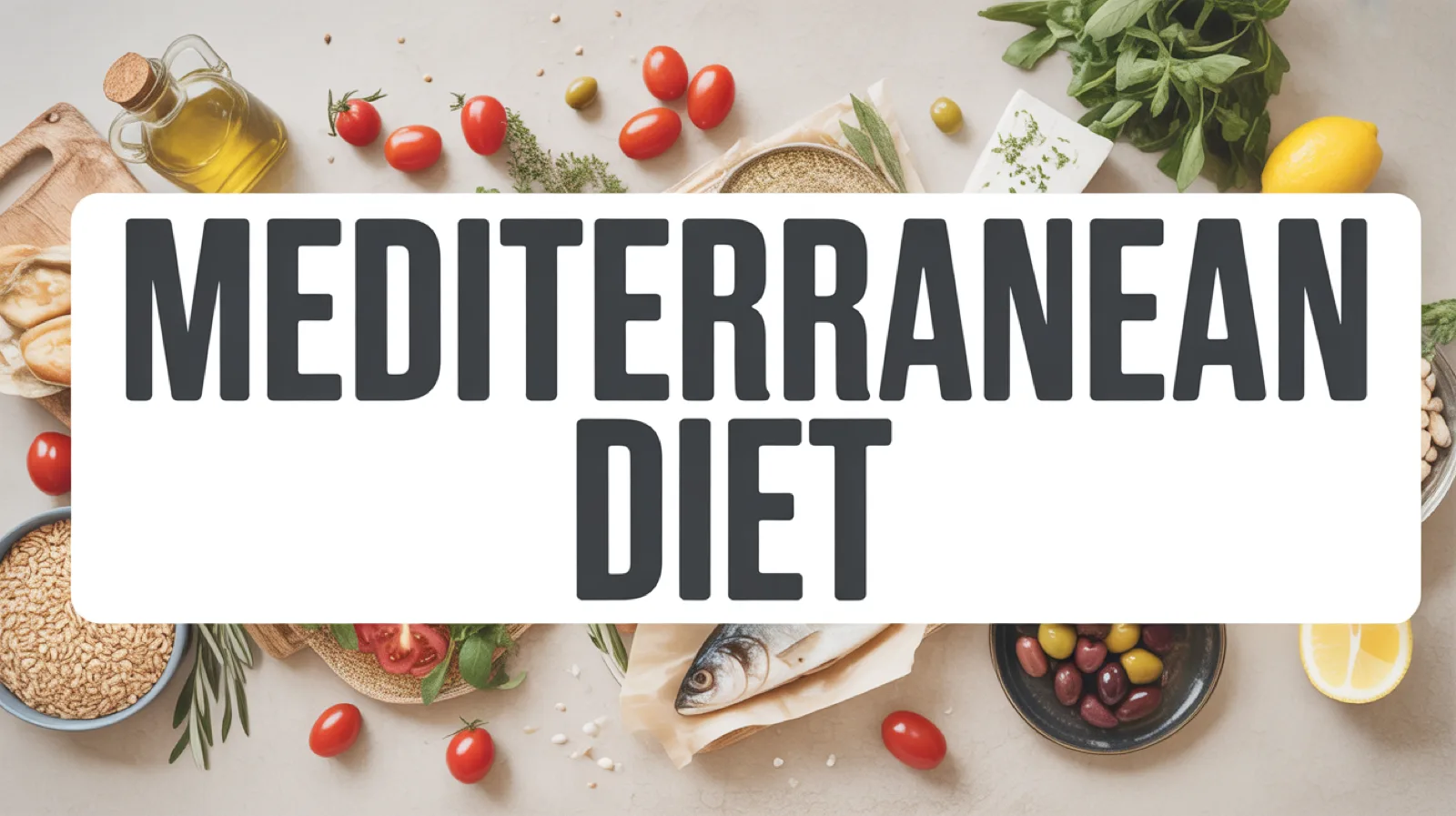
The Mediterranean diet is a traditional eating pattern from countries bordering the Mediterranean Sea. Greece, southern Italy, and Spain shaped the pattern over centuries. Vegetables, fruit, legumes, whole grains, nuts, and extra virgin olive oil fill most of the plate. Red meat, sweets, and processed foods stay occasional. Serving targets favor plants daily, fish twice weekly, and red meat rarely. Extra virgin olive oil supplies the main fat.
A typical day looks like yogurt with fruit, a bean salad, and baked fish. Beginners usually swap one habit per week instead of overhauling everything. A stocked pantry of olive oil, canned fish, and legumes removes most of the friction. Benefits span heart health, blood sugar, body weight, and brain aging. Weight loss happens without calorie counting for many people. The PREDIMED trial linked the pattern to fewer major cardiovascular events.
Blood sugar control and inflammatory markers also improve on the pattern. Drawbacks include higher grocery costs and low calcium intake for some people. The Mediterranean lifestyle adds shared meals, daily movement, and unhurried eating. Vegetarians adapt the pattern with little effort. Most people notice changes within the first few weeks. Our coaches build the pattern into a plan you can actually keep.
What Is the Mediterranean Diet?
The Mediterranean diet is a plant-forward eating pattern based on the traditional foods of the Mediterranean basin. Vegetables, fruit, legumes, whole grains, nuts, seeds, and olive oil form the foundation of the diet.
Fish, seafood, dairy, eggs, and poultry supplement these plant foods in moderate amounts. No food group is banned outright, which makes the Mediterranean diet flexible and sustainable for long-term eating.
Where Does the Mediterranean Diet Come From?
The Mediterranean diet comes from traditional eating patterns found in countries surrounding the Mediterranean Sea. Researcher Ancel Keys popularized the pattern through the Seven Countries Study. The study began in 1958 and examined links between diet and cardiovascular health.
UNESCO added the Mediterranean diet to its Representative List of the Intangible Cultural Heritage of Humanity in 2010. Greece, Italy, Spain, Morocco, and several other Mediterranean countries now share the recognized tradition.
What Foods Do You Eat on the Mediterranean Diet?
Vegetables, fruit, whole grains, legumes, nuts, seeds, herbs, and extra virgin olive oil appear daily on the Mediterranean diet. These foods supply fiber, vitamins, minerals, antioxidants, and unsaturated fats.
Fish and seafood generally appear two or more times each week. Yogurt, cheese, eggs, and poultry appear in moderate amounts, and many Mediterranean staples overlap with anti-inflammatory foods.
What Foods Should You Limit or Avoid?
Limit red meat, processed meat, refined grains, sweets, and added sugar on the Mediterranean diet. These foods stay occasional rather than becoming daily staples.
Sugary drinks, heavily processed foods, and packaged snacks have no regular place in the traditional pattern. Butter and other sources of saturated fat generally give way to extra virgin olive oil for cooking, dressings, and sauces.
How Much of Each Food Group Should You Eat?
Build most Mediterranean diet meals around vegetables, fruit, whole grains, legumes, and healthy fats. Daily targets commonly include two to three servings of fruit and at least four servings of vegetables.
Eat fish at least twice weekly while keeping red and processed meat infrequent. The Mediterranean diet pyramid, published by Oldways with Harvard in 1993, illustrates these proportions. Plant foods sit at the base as the dietary foundation.
Why Is Olive Oil Central to the Mediterranean Diet?
Extra virgin olive oil supplies much of the added fat in the traditional Mediterranean diet. Olive oil's monounsaturated fat replaces much of the saturated fat found in butter, lard, and some animal foods.
Extra virgin grades also retain naturally occurring polyphenols and other antioxidant compounds that refining can reduce. Use olive oil for dressings, sauces, roasting, sautéing, and other everyday cooking.
What Does a Mediterranean Diet Meal Plan Look Like?
A Mediterranean diet meal plan combines plant foods, whole grains, healthy fats, and moderate amounts of protein throughout the day. Breakfast might include plain yogurt with fruit, walnuts, and oats or whole grain toast with tomato and olive oil.
Lunch can center on a lentil, chickpea, or whole grain salad. Dinner often pairs baked fish, beans, or roasted vegetables with brown rice, farro, barley, or another whole grain.
How Do You Start the Mediterranean Diet as a Beginner?
Start the Mediterranean diet by making simple food swaps that you can maintain. Replace butter with olive oil, choose whole grains instead of refined grains, and add vegetables to lunch and dinner.
Introduce one or two meatless meals each week and replace red meat with fish or legumes more often. Gradual changes can make the pattern easier to maintain because long-term adherence matters more than following every Mediterranean tradition perfectly.
What Should You Stock in a Mediterranean Diet Pantry?
Stock a Mediterranean pantry with versatile foods that can build complete meals quickly. Extra virgin olive oil, canned sardines, tinned tuna, lentils, and chickpeas cover many everyday meals. Whole grains, nuts, and seeds extend that base.
Keep canned tomatoes, jarred olives, tahini, herbs, spices, garlic, and onions available for flavor. Frozen vegetables and fish can also reduce preparation time while extending shelf life.
What Are the Health Benefits of the Mediterranean Diet?
The Mediterranean diet supports cardiovascular health, blood sugar control, healthy aging, and overall diet quality. The diet's mix of fiber-rich plants, unsaturated fats, fish, nuts, and minimally processed foods improves cardiovascular and metabolic risk factors.
Higher adherence is also associated with healthier cognitive aging and lower risk of several chronic diseases. Similar plant-forward eating patterns appear across the Blue Zones and recommendations for the best diet for longevity.
Does the Mediterranean Diet Help You Lose Weight?
The Mediterranean diet can support weight loss without requiring a rigid calorie-counting system. Vegetables, legumes, whole grains, nuts, and fish provide fiber, protein, and healthy fats that promote fullness. Weight loss still depends on overall energy intake, serving sizes, activity, and individual metabolism.
The pattern works best when Mediterranean foods replace calorie-dense processed foods rather than joining an existing diet. Many staples overlap with the best foods for weight loss.
How Does the Mediterranean Diet Protect Heart Health?
The Mediterranean diet protects heart health through unsaturated fats, plant foods, whole grains, legumes, nuts, and fish. Processed meat and refined foods stay limited at the same time. The PREDIMED trial included more than 7,000 Spanish adults at high cardiovascular risk.
Participants received Mediterranean diets supplemented with extra virgin olive oil or nuts. Those groups saw about a 30% lower relative risk of major cardiovascular events versus the control group. Similar heart-healthy principles appear in a cardiac diet, cholesterol-lowering foods, and blood pressure plans.
Can the Mediterranean Diet Lower Type 2 Diabetes Risk?
The Mediterranean diet can lower type 2 diabetes risk and improve several markers of blood sugar control. PREDIMED research reported lower type 2 diabetes incidence among Mediterranean-style intervention groups. The extra virgin olive oil arm showed the strongest effect.
Whole grains, legumes, vegetables, nuts, and unsaturated fats also improve overall diet quality while replacing refined carbohydrates and saturated fats. People who already have diabetes should match portions and carbohydrate intake to their individual treatment plan.
Does the Mediterranean Diet Reduce Inflammation?
The Mediterranean diet ranks among the most extensively studied eating patterns for supporting lower chronic inflammation. Extra virgin olive oil supplies polyphenols and fish provides omega-3 fatty acids. Vegetables, fruit, legumes, and whole grains add fiber and antioxidant compounds.
Together, these foods can influence inflammatory pathways and improve cardiovascular and metabolic health. Our guides to the anti-inflammatory diet and 21-day anti-inflammatory plan explain these foods and mechanisms in greater depth.
What Does the Research Say About the Mediterranean Diet?
Research supports the Mediterranean diet as one of the best-studied dietary patterns for cardiovascular health. The Lyon Diet Heart Study tested a Mediterranean-style pattern in heart attack survivors during the 1990s. The study reported substantial reductions in recurrent cardiovascular events.
Later cohort studies and randomized trials expanded the evidence across cardiovascular disease, diabetes, metabolic health, and mortality. The pattern now has decades of research supporting its use as a long-term approach to healthy eating.
What Are the Drawbacks of the Mediterranean Diet?
The Mediterranean diet can cost more than a processed-food diet. Meals that rely on fresh produce, seafood, nuts, and premium extra virgin olive oil drive the expense. Budget-friendly alternatives such as beans, lentils, canned fish, frozen vegetables, and seasonal produce can reduce the expense.
People who eat little dairy also need adequate calcium from other foods. Olive oil and nuts are nutrient-dense but calorie-dense, so large portions can make weight management harder despite their nutritional value.
How Does the Mediterranean Lifestyle Go Beyond Food?
The Mediterranean lifestyle combines healthy food with regular movement, social connection, and shared meals. Traditional Mediterranean communities often build walking and other physical activity into everyday routines. Exercise rarely stands apart as a separate event.
Eating meals with family and friends also gives the pattern an important social component. Adequate sleep, relaxation, and unhurried meals complement the dietary principles and support long-term health.
Can You Follow the Mediterranean Diet as a Vegetarian?
Vegetarians can follow the Mediterranean diet with few changes because plant foods already dominate the traditional pattern. Legumes, lentils, chickpeas, nuts, and seeds carry much of the protein load. Eggs, yogurt, and cheese replace the rest normally supplied by fish and seafood.
Vegans can remove eggs and dairy while increasing legumes, soy foods, nuts, and seeds. A vegan version requires a reliable vitamin B12 source. Omega-3 fats, calcium, iron, iodine, and vitamin D also deserve attention.
How Long Does It Take to See Results?
Results from the Mediterranean diet develop at different rates. Your starting diet, health, calorie intake, physical activity, sleep, and medical conditions all shape the timeline. Changes in digestion or meal satisfaction can occur within days or weeks after increasing fiber-rich plant foods.
Blood pressure, cholesterol, blood sugar, and body weight may change over several weeks to months. Long-term benefits depend on maintaining the eating pattern consistently rather than following it as a short-term diet.
Get a Mediterranean Diet Plan Built Around You
Our coaches at Optimal Weight Plan turn Mediterranean diet principles into a practical weekly plan built around your needs. We match food choices and servings to your goals, budget, cooking ability, and available preparation time.
Your plan can include familiar Mediterranean staples without requiring complicated recipes or rigid food rules. Start with our coaching program or book a free call to map out your first four weeks. Together we build a routine you can maintain.