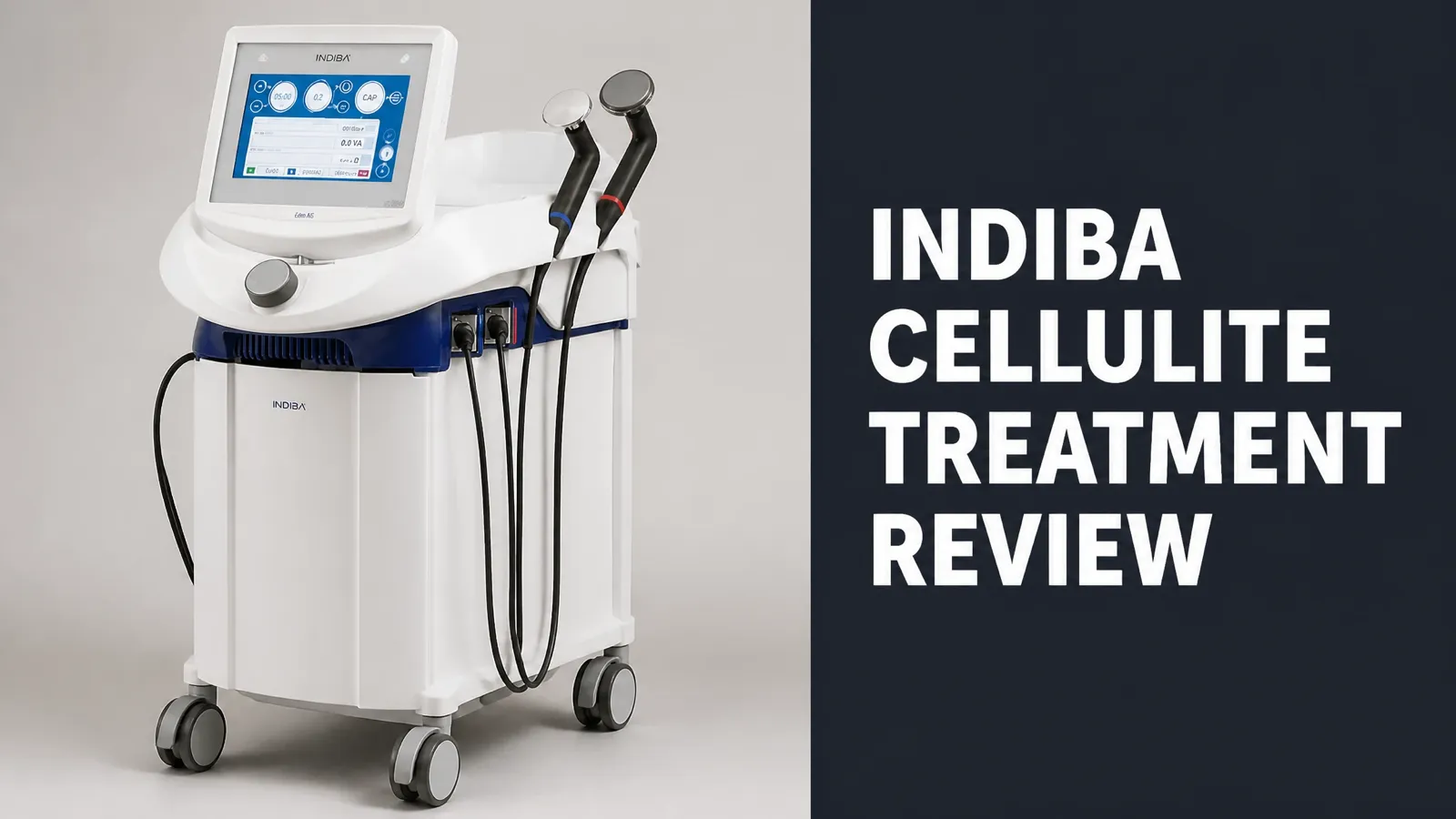
INDIBA is a non-invasive radiofrequency treatment clinics use to smooth cellulite and firm skin. The device runs at a fixed 448 kHz frequency, reaching deeper tissue layers without cutting, needles, or downtime after each session.
Sessions activate fibroblasts and collagen, boost local blood flow, and gradually soften the fibrous bands that create dimpled skin. Most clients need six to twelve sessions, and reviews describe the process as warm and relaxing rather than painful. Pricing runs $100 to $300 per session, and results build slowly across the full course rather than appearing overnight.
So does INDIBA actually deliver smoother skin, and is the investment worth it compared to other cellulite treatments? This review breaks down how the technology works, what real clients report, the honest cost, and where Optimal Weight Plan fits into a longer-term plan for lasting results.
What Is INDIBA Cellulite Treatment?
INDIBA uses proximity radiofrequency energy to target the deeper layers of skin where cellulite forms. The device delivers controlled current through a handheld applicator, and clinics position it as a non-invasive option for smoothing the thighs, abdomen, and arms.
Estheticians and physical therapists both use INDIBA. Clinics range from med-spas to sports-recovery practices. So what does that mean for you? It means the same machine treats cellulite one hour and a sports injury the next.
How Is INDIBA Different From Other RF Devices?
INDIBA runs at a fixed 448 kHz frequency, a specific band the brand says reaches deeper tissue without the surface heat spikes common in older radiofrequency machines. Standard RF tools rely on heat alone. INDIBA adds sub-thermal and hyperthermal modes to the same session.
This dual-mode design lets technicians adjust intensity by area. A sensitive zone gets a gentler setting. A stubborn cellulite pocket gets a stronger one. The result is one machine covering several treatment goals at once.
How Does INDIBA Work On Cellulite?
INDIBA activates fibroblasts, collagen, and elastin in the treated tissue through controlled radiofrequency waves. This process rebalances cell activity and increases local blood flow, and the brand states metabolism inside the treated area speeds up as a result.
The applicator moves in slow circular motions across the skin. Heat builds gradually inside the tissue. Blood flow rises in that same area. Cells receive more oxygen and nutrients during the exchange.
Fibrous cellulite bands sit just under the skin surface. INDIBA's energy softens the connective tissue around them. Softer tissue reflects less light unevenly. Skin appears smoother as a direct result.
What Happens To Skin During A Session?
Technicians glide the applicator with a conductive gel across the target zone. The sensation feels like a warm, deep massage rather than a sharp treatment. Most clients describe the 30 to 60 minute session as relaxing, not painful.
Skin often looks flushed immediately after treatment. The pink tone fades within a few hours. No blistering, bruising, or open wounds accompany a standard session.
What Features Does INDIBA Technology Include?
INDIBA's core feature is its 448 kHz proximity radiofrequency current, paired with interchangeable applicator heads for the face, body, and intimate areas. Devices like the Elite NS, Premium NS, and Reverso each target different depths of tissue.
The Reverso applicator handles larger body zones such as thighs and abdomen. Smaller heads focus on the face or localized fat pockets. Clinics select the applicator based on the treatment goal, not a single generic setting.
Software on newer units tracks tissue resistance in real time. The machine adjusts output automatically as resistance changes. Technicians still control intensity manually, but the feedback loop reduces guesswork.
What Is The 448 kHz Frequency?
448 kHz sits in a narrow band the manufacturer selected for tissue penetration without cell damage. Lower frequencies stay closer to the surface. Higher frequencies risk overheating shallow layers. INDIBA's engineers settled on 448 kHz as the balance point.
Independent RF devices often run at varying, less consistent frequencies. INDIBA's fixed frequency gives every session the same baseline. Clinics can then compare results across sessions more reliably.
What Are The Benefits Of INDIBA For Cellulite?
INDIBA's main benefit is a visible reduction in cellulite dimpling after a full treatment course. Clinics report smoother skin texture, improved firmness, and better skin tone in the treated area, alongside a mild contouring effect.
Key Benefits:
- Reduced appearance of dimpled or orange-peel skin texture
- Improved skin elasticity and firmness over the treatment course
- Increased local blood flow and collagen activity
- No downtime between sessions or after the final treatment
Does INDIBA Actually Reduce Cellulite Appearance?
Yes. Clinics using INDIBA report visible smoothing after a course of six to twelve sessions, spaced one to two weeks apart. The effect builds gradually. It does not disappear after one visit.
Before-and-after photos from providers show tighter skin texture on thighs and buttocks. Results vary by starting tissue condition. Consistent attendance across the full course drives the strongest outcome.
Does INDIBA Improve Skin Firmness Too?
Collagen stimulation is the mechanism behind firmer skin. Radiofrequency energy triggers fibroblast activity in the dermis. New collagen fibers add structural support over several weeks. Skin tone and elasticity both improve as that structure builds.
What Do INDIBA Reviews Say?
Client reviews describe INDIBA sessions as relaxing, warm, and free of downtime, with many noting gradual improvement in skin texture across a treatment course rather than an instant transformation after one visit.
What Do Clients Report Liking Most?
Comfort during treatment comes up often. One reviewer described falling asleep during a back session. Painless application ranks as the top praised feature across multiple clinic review pages. Clients also cite friendly technicians and clear pre-treatment explanations.
What Are Common Complaints About INDIBA?
Slow, gradual results frustrate some clients expecting immediate change. Why does this happen? Cellulite reduction from RF technology builds over a course, not a single session. Cost also draws complaints, since a full package spans several appointments.
INDIBA vs CoolSculpting vs Emtone: How Does It Compare?
INDIBA targets skin texture and firmness through radiofrequency, while CoolSculpting freezes fat cells and Emtone combines RF with acoustic pressure waves. Each device solves a slightly different part of the cellulite and contouring puzzle.
Comparison:
| Device | Mechanism | Downtime | Typical Sessions |
|---|---|---|---|
| INDIBA | 448 kHz proximity radiofrequency | None | 6-12 |
| CoolSculpting | Controlled fat-cell freezing | Mild swelling, 1-2 weeks | 1-3 |
| Emtone | RF plus acoustic pressure waves | None | 6-8 |
CoolSculpting reduces fat volume but does little for skin texture. Emtone shares INDIBA's RF base and adds mechanical pressure waves for the fibrous bands under cellulite. INDIBA leans on deeper tissue heating and collagen stimulation instead.
What Are The Side Effects Of INDIBA?
Side effects from INDIBA stay mild and temporary in most documented cases, since the treatment produces no cuts, needles, or thermal burns when performed by a trained technician at appropriate intensity settings.
Possible Side Effects:
- Temporary skin redness lasting a few hours
- Mild warmth or tingling sensation during treatment
- Rare, brief tenderness in the treated zone
Serious side effects remain uncommon. A licensed provider adjusts intensity to avoid overheating. Clients with metal implants near the treatment site need a modified approach or a different zone entirely.
Who Should Avoid INDIBA Treatment?
Patients with implanted electronic devices should avoid INDIBA treatment entirely, since the radiofrequency current can interfere with pacemakers and similar equipment. Pregnant patients and those with active thrombophlebitis near the treatment area also fall into this exclusion group.
People with active skin infections or open wounds in the target zone should wait until the area heals. A qualified provider reviews health history before the first session. This screening step catches most contraindications early.
Is INDIBA FDA Approved And Safe?
Yes. INDIBA's radiofrequency devices hold FDA clearance for tissue heating and temporary cellulite appearance reduction, and the manufacturer reports no cellular damage at the 448 kHz frequency the devices operate on.
Clearance covers the device's intended aesthetic and physical therapy uses. It does not mean INDIBA cures cellulite permanently. Ongoing maintenance sessions keep results consistent after the initial course ends.
How Much Does INDIBA Cellulite Treatment Cost?
A single INDIBA session typically costs between $100 and $300, depending on the clinic, region, and body zone treated, while full packages of six to twelve sessions often run between $800 and $2,500 total.
Typical Pricing:
| Package | Sessions | Estimated Price |
|---|---|---|
| Single session | 1 | $100-$300 |
| Mid-length course | 6 | $800-$1,500 |
| Full course | 12 | $1,800-$2,500 |
Is INDIBA Worth The Price?
The bad news? INDIBA is not cheap compared to a topical cream. The good news? Clients avoid surgery, downtime, and the recovery costs that come with invasive procedures. For gradual, non-invasive smoothing, many clients consider the investment reasonable.
Where Can You Get INDIBA Treatment?
Med-spas, dermatology offices, and physical therapy clinics offer INDIBA treatment in most major cities, and providers typically list their certification and device model on their website before booking a consultation.
Confirming credentials matters here. Ask any clinic whether their technician trained directly with INDIBA. Request to see the specific applicator model used, since different heads suit different treatment zones.
Is Optimal Weight Plan Worth Trying For Your Cellulite Goals?
Cellulite rarely responds to one treatment alone. Diet, movement, and skin-focused treatments like INDIBA work best together. That's exactly where Optimal Weight Plan comes in.
Our coaches at Optimal Weight Plan build a plan around your actual body, not a generic template. We pair sustainable nutrition guidance with realistic movement goals, so the results from any skin treatment you choose have a better foundation to build on.
Ready to stop guessing and start seeing real progress? Talk to Optimal Weight Plan today and get a plan built specifically for you.