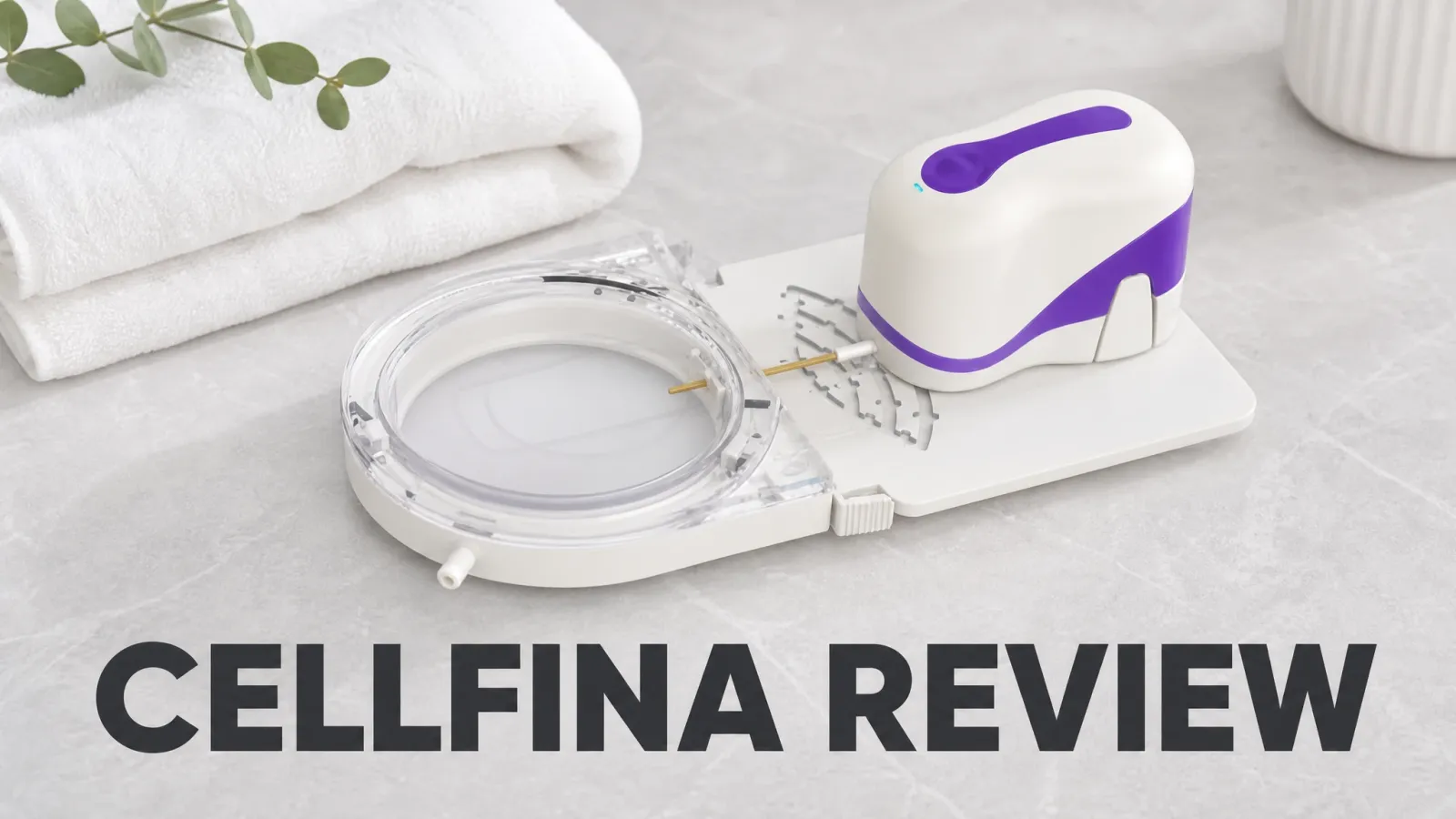
Cellfina is an FDA-cleared, minimally invasive procedure that releases the fibrous bands under skin that cause cellulite dimples. A physician performs it in-office using a handheld microblade device, no operating room required.
The single session targets each dimple directly, smoothing thighs and buttocks within about a month. Recovery stays short, most patients return to normal activity in a day or two, and results commonly last up to three years. Reviews highlight strong satisfaction that actually grows over time, though cost and occasional bruising come up as drawbacks.
So is Cellfina worth the investment? This review breaks down how it works, what it costs, how it stacks up against Cellulaze and Aveli, and what recovery really looks like before you book a consultation.
What Is Cellfina?
Cellfina targets the fibrous bands beneath skin that pull down and create cellulite dimples. The device releases these bands through a minimally invasive technique called subcision, smoothing the treated area without surgery. Doctors perform it in-office, not an operating room.
So what does that mean for you? Cellfina treats the structural cause of cellulite, not just the surface texture. This means diet and exercise alone rarely fix dimpling, because the bands sit under the fat layer. A handheld device does the work a scalpel used to do.
What Does Cellfina Treat?
Cellfina addresses cellulite dimples on the thighs and buttocks. Those two areas account for most cellulite in women over 20. Dermatologists mark each dimple before treatment, then release the band causing it. The result is a smoother contour across the treated zone.
Is Cellfina FDA Approved?
Yes. The FDA cleared Cellfina in 2015 for long-term improvement in cellulite appearance. It remains the only FDA-cleared minimally invasive treatment proven to last at least two years. That clearance covers the thighs and buttocks specifically, not other body areas.
How Does Cellfina Work?
Cellfina uses a microblade the size of a needle to sever connective bands under the skin. A provider numbs the area with a topical and injectable anesthetic first. The handheld device then applies quick, repeated pressure to each marked dimple, releasing the band that pulls the skin down.
Here is the part most people miss: the suction and pressure you feel during the procedure is not pain. Local anesthesia blocks that sensation almost entirely. Most patients describe a tugging feeling instead, and some even drive themselves home afterward.
What Happens During a Cellfina Session?
A physician first marks every dimple to be treated. Numbing medication follows, then the device targets each spot individually. Bruising and mild swelling typically appear within hours and fade over the following days.
How Long Does the Procedure Take?
A single Cellfina session lasts 45 minutes to an hour. It runs as an outpatient procedure, so there is no overnight stay and no general anesthesia. Most patients need just one visit to treat their marked dimples.
What Are the Benefits of Cellfina?
Cellfina reduces the appearance of cellulite for longer than any other FDA-cleared treatment on the market. Patients see visible smoothing within a month, and improvement continues as swelling resolves. That combination of speed and durability sets it apart from creams and massage devices.
Recovery stays short compared to surgical options. Most people resume normal activity within a day or two. And here is the best part: there is no scarring, since the procedure only requires small punctures rather than incisions.
Main Benefits:
- Treats the structural cause of dimpling, not just the surface
- Single session in most cases
- No general anesthesia or overnight stay
- Results visible within about one month
- Longest FDA-cleared duration among cellulite treatments
Does Cellfina Actually Reduce Cellulite?
Yes, clinical studies back this up. FDA pivotal trial data showed 85 percent patient satisfaction at three months, climbing to 94 percent at one year. That upward trend suggests results improve as the skin settles, not the opposite.
How Long Do Cellfina Results Last?
Cellfina results last up to three years for most patients. Satisfaction actually rose to 96 percent at the two-year mark in clinical follow-up. That makes it the longest-lasting FDA-cleared option currently available for cellulite.
What Do Cellfina Reviews Say?
Patient reviews of Cellfina skew strongly positive, especially regarding confidence and swimwear comfort. Many reviewers mention returning to work the next day. The bad news? A smaller group reports disappointment when only one or two dimples improved instead of the whole area.
Real patients often mention the recovery timeline specifically. One dermatology practice noted a patient was 'bikini-ready in just two weeks' after her session. That kind of quick turnaround shows up repeatedly across independent reviews.
Positive Experiences
Reviewers consistently praise the minimal downtime and the fact that pain stayed manageable throughout. Several note they could shower within 24 hours. Many describe the confidence boost as the biggest payoff, more than the technical result itself.
Common Complaints
The most frequent complaint involves bruising that lingers longer than expected in a small subset of patients. Some reviewers also mention the upfront cost as a barrier. A few note that new dimples can form later in untreated areas, since Cellfina only fixes marked spots.
Cellfina vs Cellulaze vs Aveli: Which Is Better?
Cellfina, Cellulaze, and Aveli all target the same fibrous bands but use different tools to release them. Cellfina uses a microblade. Cellulaze uses a laser fiber that also stimulates collagen. Aveli uses a thin device guided under the skin by hand, without heat.
By comparison, Cellulaze tends to bring more bruising and swelling during recovery. Aveli launched more recently, in 2022, and offers a similarly light recovery to Cellfina. Pricing lands close across all three, with Cellfina generally coming in slightly lower.
Treatment Comparison:
| Treatment | FDA Approval | Average Cost | Results Last |
|---|---|---|---|
| Cellfina | 2015 | $4,250-$6,500 | Up to 3 years |
| Cellulaze | 2012 | $4,740 | 1 year or more |
| Aveli | 2022 | $2,500-$7,500 | 1 year or more |
So what does that mean for you? If longevity matters most, Cellfina's three-year track record leads the pack. If skin texture and elasticity matter as much as dimples, Cellulaze's collagen boost may be worth the extra bruising. A consultation with a provider who offers all three gives the clearest answer.
Is Cellfina Painful?
No, Cellfina is not considered painful. Local and injectable anesthetic numbs the treatment area before the device activates. Patients typically feel pressure and suction rather than sharp pain, and the sensation fades once numbing takes hold.
To be clear, mild soreness does follow the procedure once anesthesia wears off. Over-the-counter pain relievers manage this for nearly everyone. Severe or worsening pain is rare and warrants a call to the provider.
What Does Recovery Look Like?
Recovery involves some oozing, bruising, and swelling in the first 24 to 48 hours. Showering is fine after one day. Doctors recommend avoiding sun exposure and swimming for about 30 days to protect healing skin and preserve results.
Who Should Avoid Cellfina?
Patients with active skin infections, bleeding disorders, or unrealistic expectations about total cellulite elimination are poor Cellfina candidates. Pregnant patients should also wait. A provider consultation screens for these factors before scheduling treatment.
Are There Side Effects?
Common side effects stay minor. Bruising, soreness, and temporary swelling top the list, and most fade within days. Serious complications like infection or nerve damage are rare, but Merz did recall a shipped kit in 2016 over a non-sterile vacuum tube, an issue since resolved.
Common Side Effects:
- Minor pain at treatment sites
- Bruising and soreness
- Temporary swelling
- Occasional oozing in the first day
How Many Cellfina Treatments Will You Need?
Most patients need only one Cellfina session to treat their marked dimples. This sets it apart from injectable options like QWO, which typically require multiple rounds spaced weeks apart. A provider may recommend a touch-up years later once results fade.
How Much Does Cellfina Cost?
Cellfina typically costs between $4,250 and $6,500 per treatment area. The exact price depends on the number of dimples treated, your geographic location, and the provider's experience. Contacting a certified Cellfina provider gets you an accurate quote.
Insurance does not cover Cellfina, since it is a cosmetic procedure. Some practices offer financing plans to spread the cost over several months. Comparing quotes from two or three local providers is a reasonable step before committing.
Is Cellfina Worth the Price?
Many patients consider Cellfina worth the price given its single-session structure and three-year results. Per-year cost actually compares favorably against treatments needing repeat sessions. Confidence in swimwear or fitted clothing factors heavily into that value calculation too.
Where Can You Get Cellfina?
Board-certified dermatologists and plastic surgeons offer Cellfina in their offices, not medical spas without physician oversight. Merz maintains a provider locator tool for finding certified practices nearby. A consultation confirms candidacy before any procedure gets scheduled.
Is Optimal Weight Plan Worth Trying Alongside Cellfina?
Cellfina smooths the skin you already have. But lasting body confidence takes more than one procedure. Our team at Optimal Weight Plan builds sustainable habits around nutrition and movement that support the results you invest in.
Think of it this way: a treatment addresses the dimples, and a plan addresses the body underneath them. Our coaches help you maintain a stable weight, since fluctuations can affect how treated skin looks over time. That combination protects your investment.
Ready to pair real results with a real plan? Start with Optimal Weight Plan today and give your Cellfina results the foundation they deserve.